
Vascular EDS, Marfan Syndrome, and Loeys-Dietz Syndrome: Essential Differential Diagnoses in Hypermobility
Disclaimer: This resource is designed for education and general guidance only. Medical professionals are responsible for applying their own clinical judgment when using this tool. It is not a replacement for personalised medical advice. If you are seeking care, please consult a qualified medical professional for advice tailored to your situation.
On This Blog
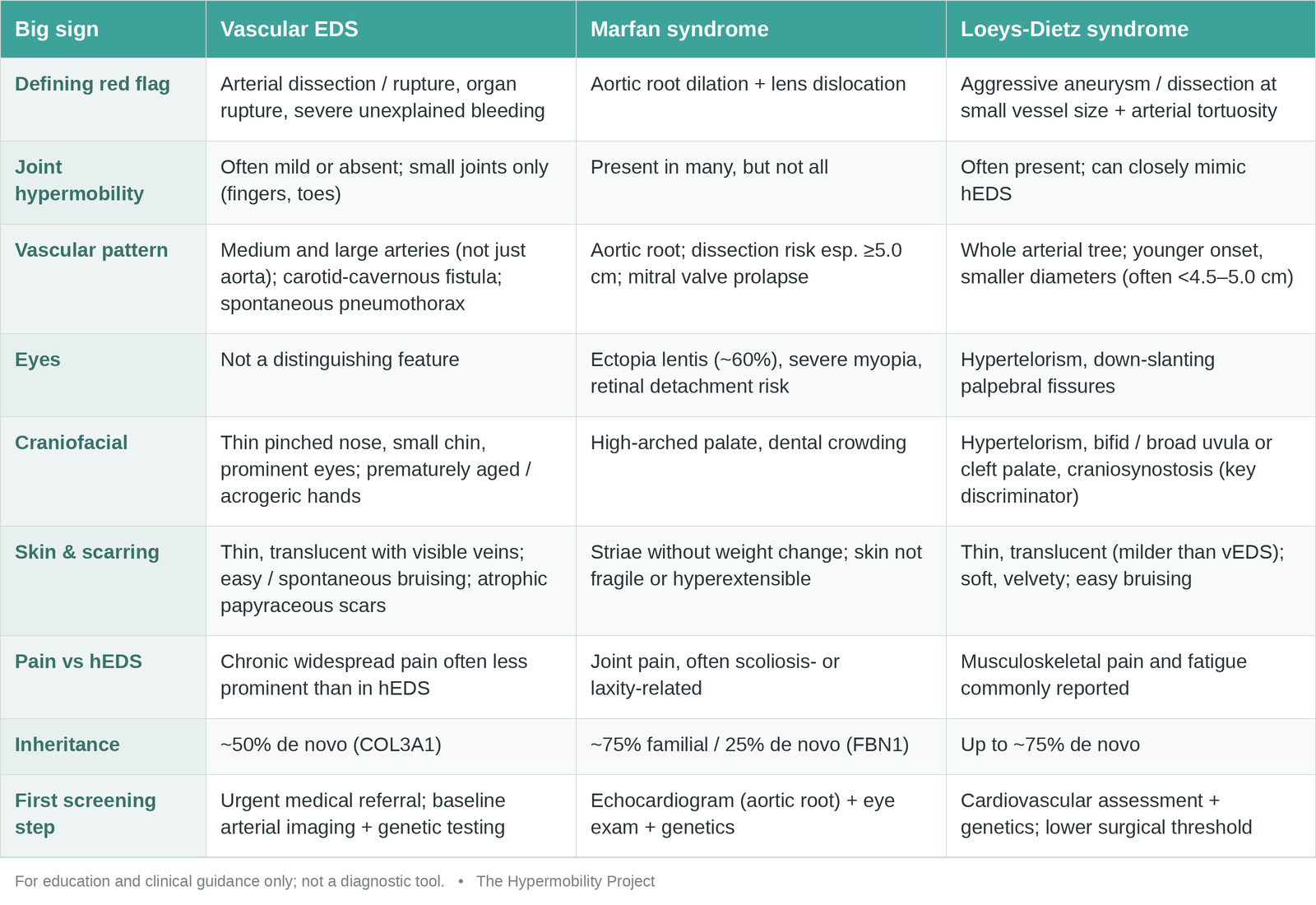
Big signs at a glance: vEDS, Marfan & Loeys-Dietz
Vascular Ehlers-Danlos syndrome (vEDS)
Introduction
Hypermobile Ehlers Danlos Syndrome (hEDS) and hypermobility spectrum disorder (HSD) account for most hypermobile presentations seen in clinical practice. However, several rarer conditions present with overlapping features that can be mistaken for hEDS or HSD. Unlike hEDS, these conditions carry specific vascular, ocular, or organ fragility risks that require different screening protocols, activity modifications, and surgical planning.
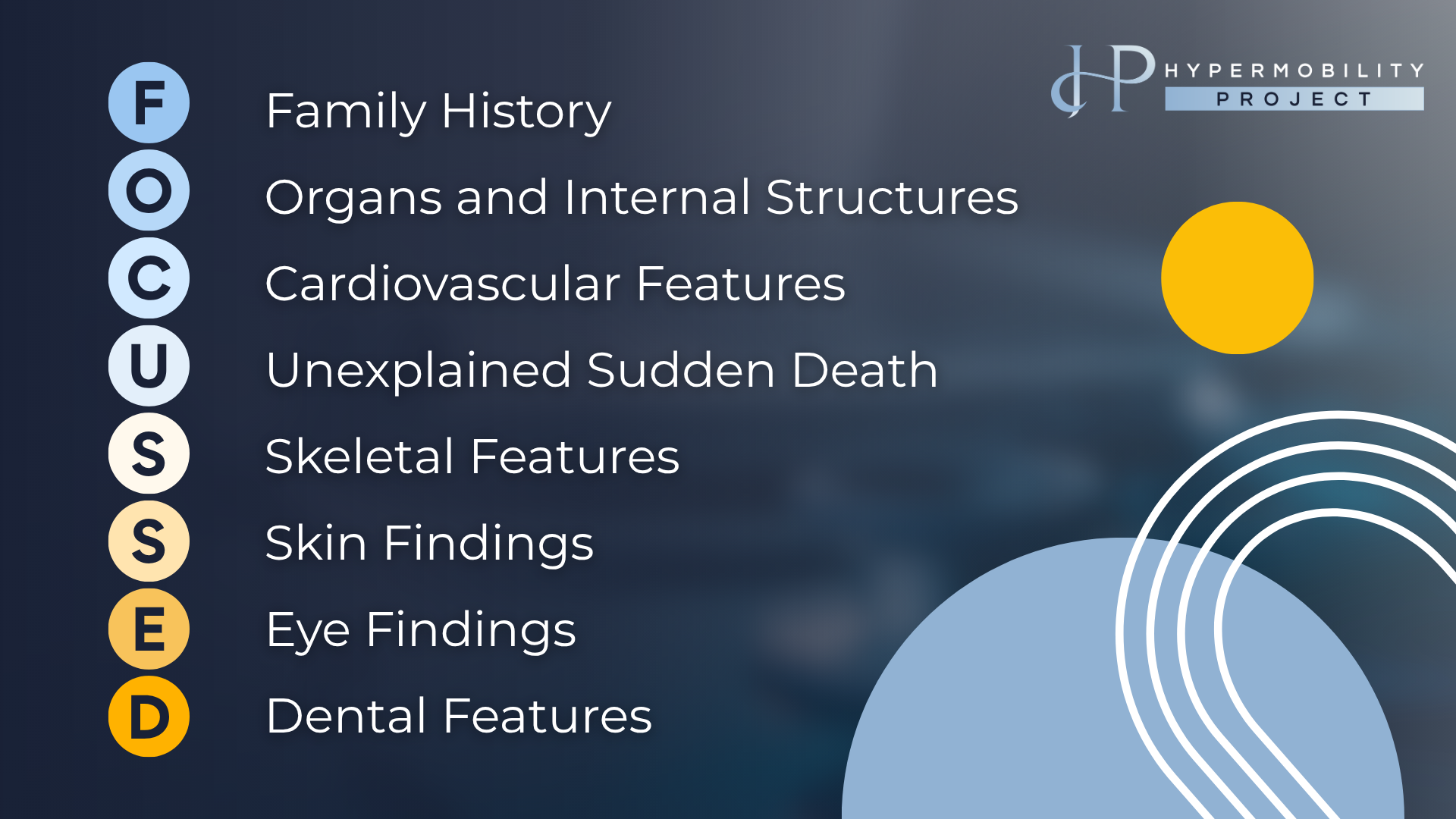
A previous Hypermobility Project blog introduced the FOCUSSED acronym — a structured prompt for recognising the red flags that suggest a heritable connective tissue disorder beyond hEDS or HSD. It is designed for use during routine hypermobility assessment, drawing attention to features that fall outside the expected hEDS/HSD phenotype and warrant closer scrutiny. Used systematically, it helps distinguish typical hEDS and HSD presentations from those that require urgent cardiovascular or genetic assessment. Several of those red flags point most directly to the three conditions that are the focus of this article, which the sections below examine in turn.
While the differential diagnosis of hypermobility is broad, three conditions warrant particular attention due to their specific management needs: Vascular Ehlers-Danlos syndrome (vEDS), Marfan syndrome (MFS), and Loeys-Dietz syndrome (LDS). These conditions are associated with underlying vasculopathies, where vascular fragility can place individuals at risk of serious or life-threatening complications if not identified early.
These three conditions also share several important characteristics:
They carry specific health risks that benefit from early identification and management
They can present with features that overlap with hEDS/HSD, particularly in early stages
They require specific cardiovascular screening and management protocols
Understanding the distinguishing features of these conditions and knowing when to escalate care are essential for safe clinical practice in hypermobility management.
These three conditions are inherited, though the likelihood of a positive family history varies considerably. In MFS, approximately 75% of cases are familial, with the remaining 25% arising from de novo mutations (Dietz, 2022). In vascular EDS, around half of cases arise from de novo mutations in [C1]COL3A1, meaning there may be no prior family history (Byers, 2025; Legrand et al., 2019). In LDS, up to 75% of cases are de novo, so the majority of individuals are the first in their family to be affected (Loeys & Dietz, 2024). A negative family history therefore does not exclude these conditions.
All three are rare, but not so rare that they will never be encountered in clinical practice. MFS is the most common, with an estimated prevalence of approximately 1 in 3,000–5,000 (Judge & Dietz, 2005). Vascular EDS is considerably rarer, estimated at approximately 1 in 50,000–200,000 (Byers, 2025). LDS is also very rare, with a prevalence estimated at approximately 1 in 50,000, though this figure remains uncertain due to likely underdiagnosis (Loeys & Dietz, 2024).
It would be unusual for vEDS or LDS to be newly diagnosed after age 50, as significant complications typically present earlier in life (Byers, 2025; MacCarrick et al., 2014), though late or missed diagnoses can occur — particularly with milder phenotypes (Lui et al., 2023).
Big signs at a glance: vEDS, Marfan & Loeys-Dietz
Vascular Ehlers-Danlos syndrome (vEDS)
vEDS may present with relatively mild joint hypermobility mainly affecting the small joints of the hands and feet, or be overlooked entirely in early life (Byers, 2025; Malfait et al., 2017). Red flags include arterial dissections, organ rupture, severe unexplained bleeding, carotid-cavernous fistula, and a family history of sudden death typically under 50 years.
Skin may appear thin or translucent rather than hyperextensible, and scarring may be atrophic or papyraceous. The absence of significant musculoskeletal pain does not exclude vEDS. Bluish or greyish sclerae are sometimes noted and reflect thinning of the scleral collagen; however, this is non-specific — being more characteristic of osteogenesis imperfecta, classical EDS and LDS — and is not a distinguishing feature of vEDS.
Any suspicion of vEDS warrants medical referral, with clear documentation of the specific clinical concerns identified during screening. Referrals should outline the features that prompted concern, as many specialist clinics will not accept referrals without clear reasons (i.e. simply being hypermobile is not sufficient). Even individuals with vEDS can benefit from multidisciplinary management. Baseline arterial imaging and genetic testing are essential. Cardiac echocardiography and vascular imaging (such as CT or MR angiography) may be performed, and vascular surgeons and/or geneticists should be involved in screening for aneurysms in the brain, aorta, and other vascular structures.
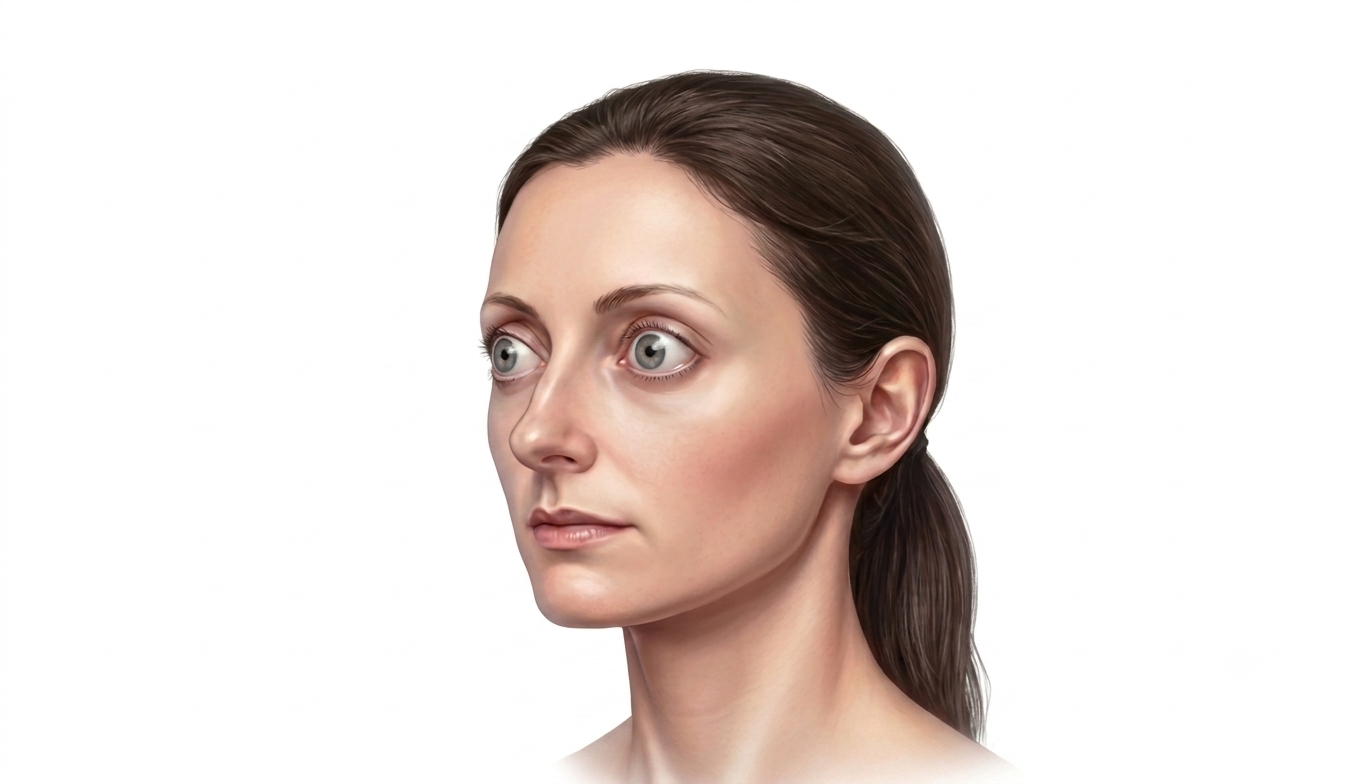
Facial and skin features:
Characteristic facial appearance: thin, pinched nose, small chin, prominent or protruding eyes, thin lips
Aged or acrogeric appearance (prematurely aged-looking extremities, particularly hands)
Thin, translucent skin with visible venous patterning, particularly over chest and abdomen
Easy bruising, often spontaneous and extensive
Atrophic, papyraceous (cigarette paper) scarring

Vascular complications:
Arterial rupture or dissection (commonly affects medium and large arteries, not just aorta)
Carotid-cavernous sinus fistula
Spontaneous pneumothorax or haemothorax
Arterial aneurysms
Other features:
Joint hypermobility typically limited to small joints (fingers, toes) if present at all
Organ fragility: spontaneous bowel perforation, uterine rupture during pregnancy or labour
Clubfoot (talipes equinovarus) or congenital hip dislocation may be present
Spontaneous sigmoid colon rupture (particularly characteristic)
Marfan syndrome (MFS)
MFS may present to physiotherapy through scoliosis management, recurrent joint pain, or injury related to ligamentous laxity. Key red flags include significant pectus deformity (often congenital but may worsen with growth), lens subluxation or dislocation (ectopia lentis), and aortic root dilation. Tall stature with disproportionate limb length was used in the past to help recognise MFS, but it is no longer treated as a red flag, because it overlaps with features seen in hEDS and also occurs in many people in the general population who do not have a connective tissue disorder.
It is worth separating the formal diagnostic criteria from the broader clinical features listed below. Under the revised Ghent nosology, two cardinal features carry the most diagnostic weight: aortic root dilatation or dissection (aortic root Z-score ≥ 2) and ectopia lentis. In the absence of a family history, diagnosis generally requires aortic root involvement together with either ectopia lentis, a pathogenic FBN1 variant, or a systemic features score ≥ 7. The features listed below are therefore mostly supportive findings that contribute to the systemic score or raise suspicion; aside from the cardinal features, they are not diagnostic in isolation (Loeys et al., 2010).
Unlike hEDS, MFS carries clear cardiovascular screening requirements, particularly regular echocardiography to monitor for aortic root dilation (Hiratzka et al., 2010). Progressive aortic root enlargement can lead to complications if not identified and managed appropriately. Patients may also be at risk for aortic aneurysm and other vascular complications including mitral valve disease.
A cardiac echocardiogram is an important first step in screening for MFS, along with an eye assessment to check for lens subluxation. A referral for genetic testing is also recommended, with the referral clearly listing the specific clinical concerns identified during screening. Individuals with MFS can benefit from multidisciplinary management to optimise their health outcomes.
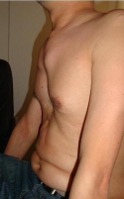
Skeletal features:
Tall stature with dolichostenomelia (disproportionately long limbs)
Arachnodactyly (long, slender fingers and toes)
Arm span to height ratio >1.05 (arm span exceeding height)
Pectus deformities (carinatum or excavatum)
Scoliosis >20 degrees or thoracolumbar kyphosis
High-arched palate with dental crowding
Reduced upper segment to lower segment ratio (or increased lower segment to height ratio)
Joint hypermobility (present in many but not all individuals)
Protrusio acetabuli (hip socket abnormality)
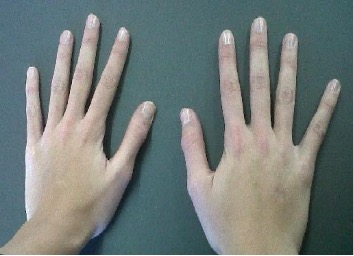
Ocular features:
Ectopia lentis (lens dislocation or subluxation) — hallmark feature present in approximately 60% of patients
Myopia (often severe)
Increased axial length of globe
Flat cornea
Increased risk of retinal detachment
Cardiovascular features:
Aortic root dilation (requires regular echocardiography monitoring)
Mitral valve prolapse with or without regurgitation
Risk of aortic dissection, particularly if root ≥5.0 cm (though risk exists at smaller dimensions, especially with family history or rapid growth rate)
Tricuspid valve prolapse (less common)
Dilation of the pulmonary artery
Ascending aortic aneurysm or dissection
Skin and soft tissue:
Striae distensae (stretch marks) without significant weight change or pregnancy
Hernias (inguinal, femoral, incisional)
Skin may be soft but is not typically hyperextensible or fragile
Loeys-Dietz syndrome (LDS)
LDS overlaps phenotypically with both MFS and vEDS but often presents with more aggressive vascular disease at smaller vessel diameters (Loeys & Dietz, 2024; MacCarrick et al., 2014). Most individuals with this disorder have distinctive craniofacial features such as hypertelorism (widely spaced eyes) and a bifid or broad uvula, though the spectrum of presentation is broad and some individuals may have subtle or absent craniofacial features (Loeys & Dietz, 2024).
On the FOCUSSED checklist, the red flags most relevant to LDS are aortic or arterial aneurysm or dilation and a family history of early vascular events or sudden death. The craniofacial and vascular features that help distinguish LDS — hypertelorism, bifid uvula or cleft palate, craniosynostosis, and arterial tortuosity — are not themselves FOCUSSED red flags, but they are important distinguishing features (Loeys & Dietz, 2024). Skeletal features may look deceptively similar to hEDS, making these craniofacial and vascular features critical for differentiation (MacCarrick et al., 2014).
Early identification is important, as management thresholds differ from other connective tissue disorders. Referral for genetic testing and cardiovascular assessment should clearly document the specific screening concerns, as specialist clinics may not accept referrals without clear clinical reasons. Individuals with LDS benefit from multidisciplinary management. Surgical intervention for aortic pathology is typically considered at smaller vessel diameters than in MFS (Loeys & Dietz, 2024).
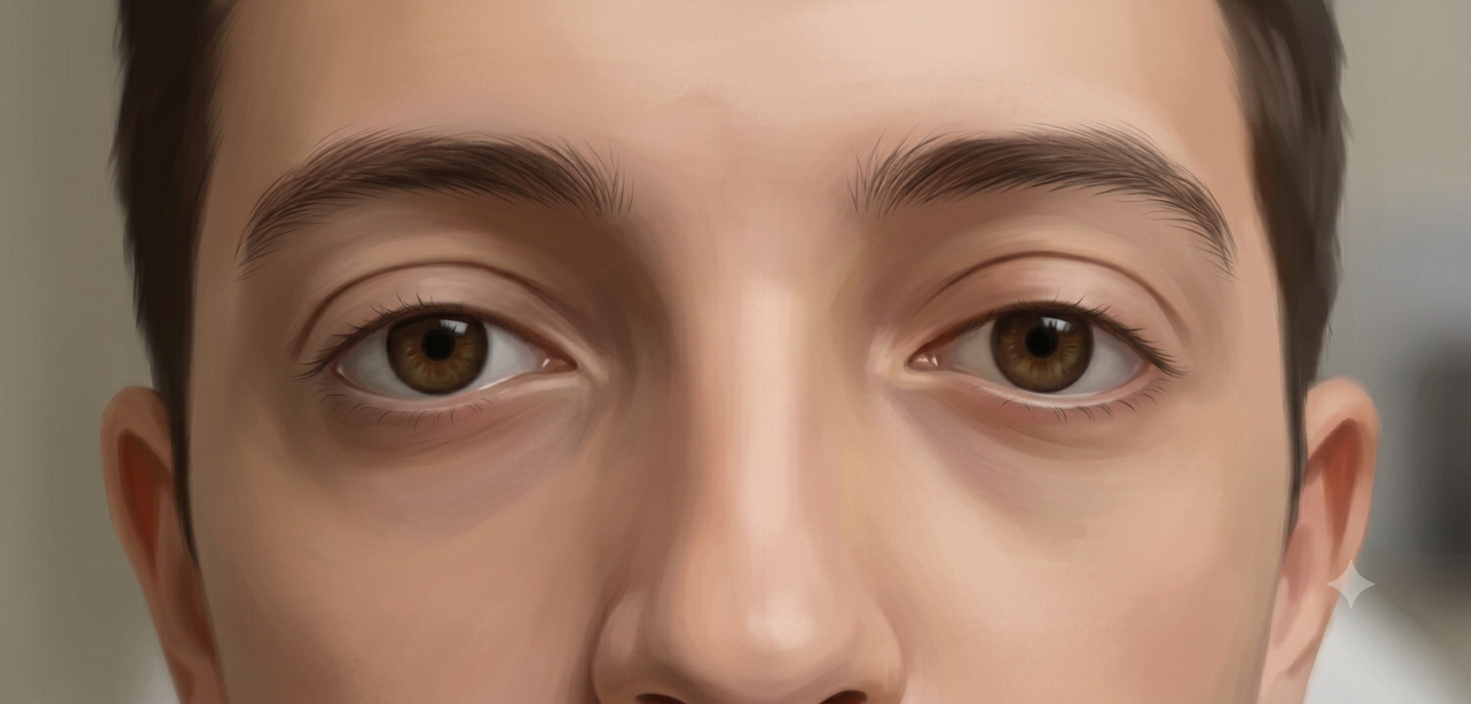
Distinctive craniofacial features:
Hypertelorism (widely spaced eyes) - key distinguishing feature
Bifid or broad uvula, cleft palate (may be subtle)
Craniosynostosis (premature fusion of skull sutures)
Blue sclerae
Downslanting palpebral fissures
Micrognathia (undersized mandible) or retrognathia (receding jaw)
Malar hypoplasia (underdeveloped cheekbones)
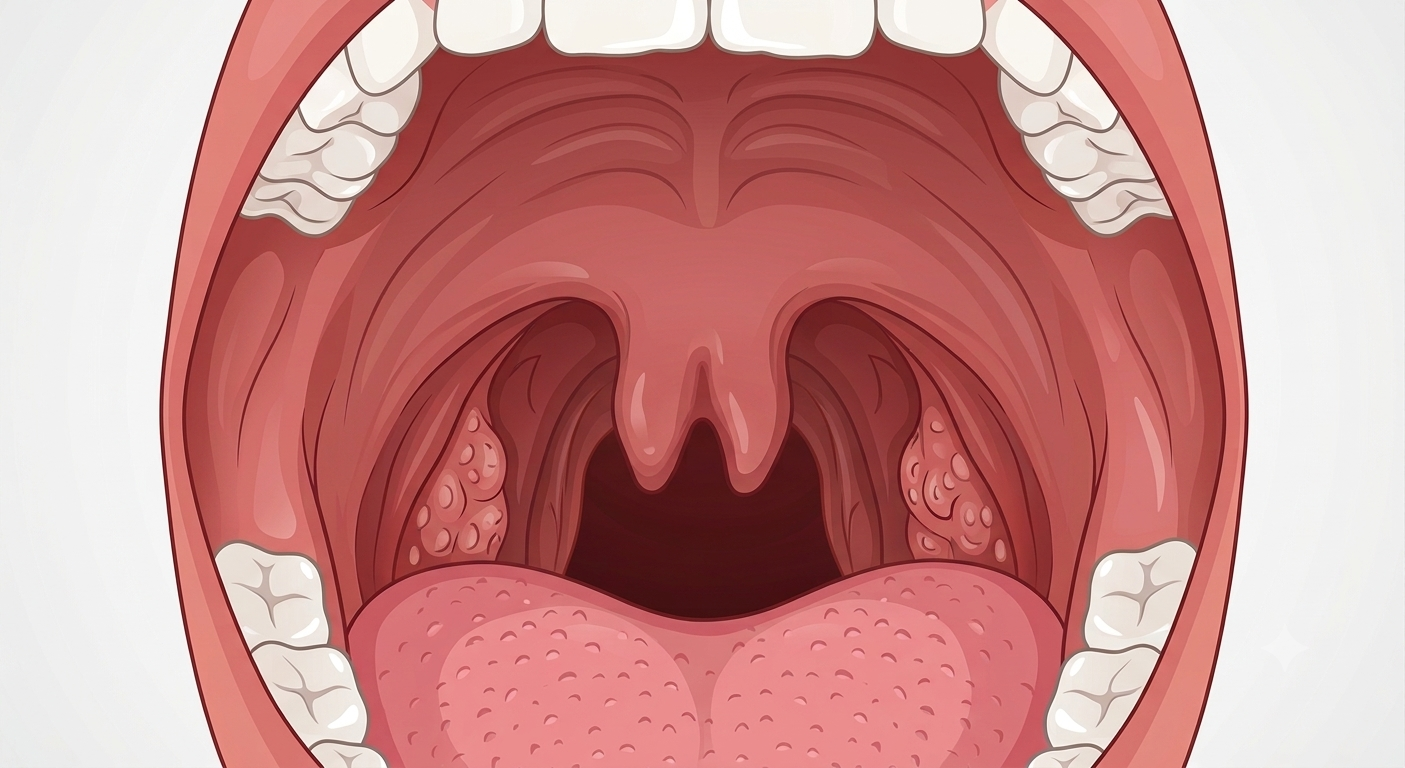
Vascular features:
Arterial tortuosity throughout the body
Aneurysm formation may occur at younger ages and smaller vessel diameters than in MFS
Increased risk of dissection at smaller aortic dimensions (often <4.5-5.0cm)
Aneurysms can occur throughout the arterial tree (not limited to aortic root)
Pregnancy requires careful monitoring due to increased vascular considerations
Skeletal features:
Joint hypermobility (may overlap with hEDS phenotype)
Scoliosis, pectus deformities
Talipes equinovarus (clubfoot)
Cervical spine instability
Arachnodactyly (may be present)
Pes planus (flat feet)
Skin features:
Thin, translucent skin (similar to vEDS but usually less severe)
Easy bruising
Atrophic scarring
Hernias
Soft, velvety skin texture
Clinical Pearls
A negative family history does not exclude these conditions. De novo variants account for approximately half of vEDS cases, up to around 75% of Loeys-Dietz, and roughly 25% of Marfan — so a substantial proportion of affected individuals are the first in their family. The absence of an affected relative should not lower the index of suspicion (Byers, 2025; Loeys & Dietz, 2024; Dietz, 2022).
vEDS may present with minimal generalised hypermobility, often confined to the small joints, and with less musculoskeletal pain than hEDS. A low Beighton score or limited pain therefore does not reliably distinguish it from a more benign presentation, and continued screening is warranted where other red flags are present (Byers, 2025; Malfait et al., 2017).
Craniofacial and ocular signs discriminate more reliably than body habitus. A bifid or broad uvula (LDS) and ectopia lentis (Marfan) are simple, accessible examination findings that help separate these conditions from hEDS, with hypertelorism, cleft palate and craniosynostosis offering further support for LDS (Loeys & Dietz, 2024; Loeys et al., 2010).
Knowing how to recognise these conditions naturally raises the harder question of what to do next. The following framework supports a measured approach, aligning the urgency of referral and the nature of clinical communication with the degree of concern identified at screening.
Don’t Panic: A Traffic Light Approach
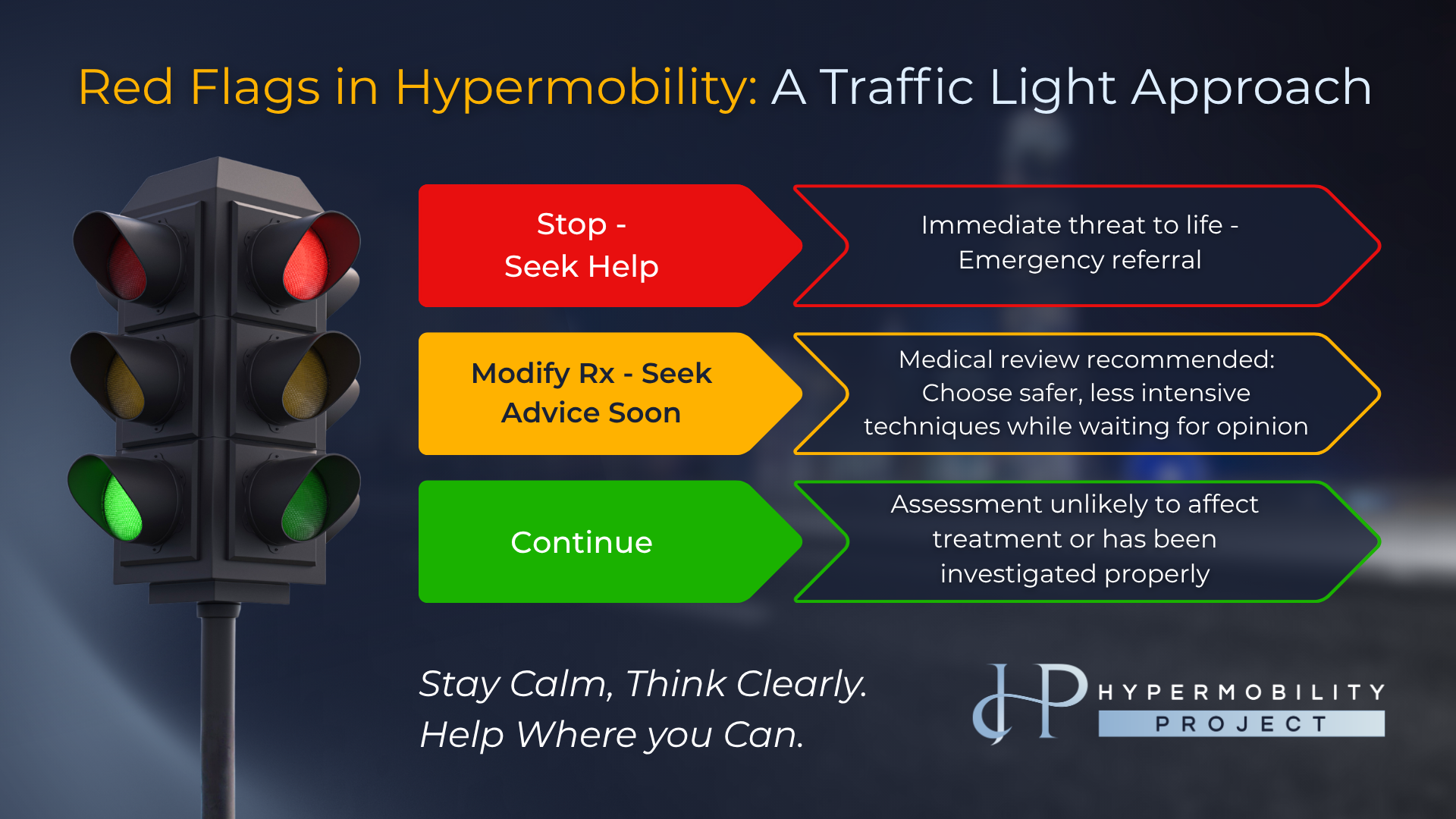
Spotting a red flag is not the same as declaring an emergency. A simple traffic light system (see image above) helps you judge how urgently to act and what to communicate. A positive screen is a prompt to think carefully, not a reason to withdraw care.
In brief:
Red-zone presentations — such as sudden severe chest, back or abdominal pain, acute stroke symptoms or a thunderclap headache, sudden breathlessness, or signs of internal bleeding — need emergency assessment now.
Yellow-zone findings, such as a suspicious family history, lens subluxation, a bifid uvula, or thin translucent skin with atrophic scarring, warrant prompt referral — write to the GP with your specific FOCUSSED findings and recommend echocardiography and genetics where appropriate — while you keep treating with gentler, lower-load techniques.
Green-zone presentations with no red flags can continue with usual evidence-based management.
The full traffic light guidance, documentation templates, and the free FOCUSSED checklist are set out in our companion article: Differential Diagnosis of hEDS: Knowing When It Isn’t hEDS.
For complete guidance on:
The FOCUSSED screening checklist (free download)
Traffic light referral criteria (red/yellow/green zones)
Clinical documentation and communication strategies
When to refer versus when to manage
See our comprehensive companion article: Differential Diagnosis of hEDS: Knowing When It Isn’t hEDS.
References
Byers, P. H. (2025, April 10). Vascular Ehlers-Danlos syndrome. In M. P. Adam, S. Bick, G. M. Mirzaa, R. A. Pagon, S. E. Wallace, L. J. H. Bean, K. W. Gripp, & A. Amemiya (Eds.), GeneReviews. University of Washington, Seattle. https://www.ncbi.nlm.nih.gov/books/NBK1494/
Dietz, H. C. (2022, February 17). FBN1-related Marfan syndrome. In M. P. Adam, S. Bick, G. M. Mirzaa, R. A. Pagon, S. E. Wallace, L. J. H. Bean, K. W. Gripp, & A. Amemiya (Eds.), GeneReviews. University of Washington, Seattle. https://www.ncbi.nlm.nih.gov/books/NBK1335/
Hiratzka, L. F., Bakris, G. L., Beckman, J. A., Bersin, R. M., Carr, V. F., Casey, D. E., Eagle, K. A., Hermann, L. K., Isselbacher, E. M., Kazerooni, E. A., Kouchoukos, N. T., Lytle, B. W., Milewicz, D. M., Reich, D. L., Sen, S., Shinn, J. A., Svensson, L. G., & Williams, D. M. (2010). 2010 ACCF/AHA/AATS/ACR/ASA/SCA/SCAI/SIR/STS/SVM guidelines for the diagnosis and management of patients with thoracic aortic disease. Circulation, 121(13), e266–e369. https://doi.org/10.1161/CIR.0b013e3181d4739e
Judge, D. P., & Dietz, H. C. (2005). Marfan's syndrome. The Lancet, 366(9501), 1965–1976. https://doi.org/10.1016/S0140-6736(05)67789-6
Legrand, A., Devriese, M., Dupuis-Girod, S., Simian, C., Venisse, A., Mazzella, J. M., Auribault, K., Adham, S., Frank, M., Albuisson, J., & Jeunemaitre, X. (2019). Frequency of de novo variants and parental mosaicism in vascular Ehlers-Danlos syndrome. Genetics in Medicine, 21(7), 1568–1575. https://doi.org/10.1038/s41436-018-0356-2
Loeys, B. L., & Dietz, H. C. (2024, September 12). Loeys-Dietz syndrome. In M. P. Adam, S. Bick, G. M. Mirzaa, R. A. Pagon, S. E. Wallace, L. J. H. Bean, K. W. Gripp, & A. Amemiya (Eds.), GeneReviews. University of Washington, Seattle. https://www.ncbi.nlm.nih.gov/books/NBK1133/
Loeys, B. L., Dietz, H. C., Braverman, A. C., Callewaert, B. L., De Backer, J., Devereux, R. B., Hilhorst-Hofstee, Y., Jondeau, G., Faivre, L., Milewicz, D. M., Pyeritz, R. E., Sponseller, P. D., Wordsworth, P., & De Paepe, A. M. (2010). The revised Ghent nosology for the Marfan syndrome. Journal of Medical Genetics, 47(7), 476–485. https://doi.org/10.1136/jmg.2009.072785
Lui, M. M., Shadrina, M., Gelb, B. D., & Kontorovich, A. R. (2023). Features of vascular Ehlers-Danlos syndrome among biobank participants harboring predicted high-risk COL3A1 genotypes. Circulation: Genomic and Precision Medicine, 16(3), Article e003864. https://doi.org/10.1161/CIRCGEN.122.003864
MacCarrick, G., Black, J. H., Bowdin, S., El-Hamamsy, I., Frischmeyer-Guerrerio, P. A., Guerrerio, A. L., Sponseller, P. D., Loeys, B., & Dietz, H. C. (2014). Loeys-Dietz syndrome: A primer for diagnosis and management. Genetics in Medicine, 16(8), 576–587. https://doi.org/10.1038/gim.2014.11
Malfait, F., Francomano, C., Byers, P., Belmont, J., Berglund, B., Black, J., Bloom, L., Bowen, J. M., Brady, A. F., Burrows, N. P., Castori, M., Cohen, H., Colombi, M., Demirdas, S., De Backer, J., De Paepe, A., Fournel-Gigleux, S., Frank, M., Ghali, N., … Tinkle, B. (2017). The 2017 international classification of the Ehlers-Danlos syndromes. American Journal of Medical Genetics Part C: Seminars in Medical Genetics, 175(1), 8–26. https://doi.org/10.1002/ajmg.c.31552
Further reading
Castori, M., Tinkle, B., Levy, H., Grahame, R., Malfait, F., & Hakim, A. (2017). A framework for the classification of joint hypermobility and related conditions. American Journal of Medical Genetics Part C: Seminars in Medical Genetics, 175(1), 148–157. https://doi.org/10.1002/ajmg.c.31539
Hakim, A. J. (2025). Hypermobile Ehlers-Danlos syndrome and hypermobility spectrum disorder syndromes. In M. C. Hochberg, E. M. Gravallese, J. S. Smolen, et al. (Eds.), Rheumatology (9th ed., Chapter 230). Elsevier.
Hakim, A. J., & Grahame, R. (2003). Joint hypermobility. Best Practice & Research Clinical Rheumatology, 17(6), 989–1004. https://doi.org/10.1016/j.berh.2003.08.001
Johansen, H., Velvin, G., & Lidal, I. B. (2022). Pain and fatigue in adults with Loeys-Dietz syndrome and vascular Ehlers-Danlos syndrome, a questionnaire-based study. American Journal of Medical Genetics Part A, 188(9), 2636–2645. https://doi.org/10.1002/ajmg.a.62858
Voermans, N. C., Knoop, H., Bleijenberg, G., & van Engelen, B. G. (2010). Pain in Ehlers-Danlos syndrome is common, severe, and associated with functional impairment. Journal of Pain and Symptom Management, 40(3), 370–378. https://doi.org/10.1016/j.jpainsymman.2010.02.027
National Organization for Rare Disorders. (2024). Loeys-Dietz syndrome. https://rarediseases.org/rare-diseases/loeys-dietz-syndrome/